A coach, not an editor
The AI reacts to what your kid actually wrote — specific, curious, never corrective. Spelling, grammar, logic stay untouched. Momentum stays intact.
For parents of kids aged 8–12
Wordling is a personalized AI writing coach for kids 8–12. Short illustrated story exercises, a friendly voiced coach who reacts but never corrects, and a finished story card they'll actually want to share.
No credit card requiredFree during early accessOne account, all your kids
The problem
Somewhere around age 9 or 10, writing stops being play and starts being a chore. Red marks. Rubrics. “Try to be more creative.” Most kids learn to write defensively — short sentences, safe ideas, finish the paragraph and escape.
The fastest way to raise a strong writer is to first raise one who likes writing. That's what we're here for.
How we approach it
The AI reacts to what your kid actually wrote — specific, curious, never corrective. Spelling, grammar, logic stay untouched. Momentum stays intact.
A voiced coach reads back to them with warmth and energy — closer to a slightly-older cousin than an authority figure. Kids relax. Kids write more.
Each session ends with an illustrated story card they can save and share. Visible progress. Real pride. A reason to come back.
Story cues are picked for their age. The exercise meets them where they are — not where a class average says they should be.
Try a lesson
This is the very first lesson on the Storyteller branch of the skill tree — voiced by the coach, with tap-to-choose checks along the way. Run through it and see what your kid would see.
Set up your parent account in under a minute — then let your kid finish their first story today.
No credit card requiredFree during early accessOne account, all your kids
A growing toolkit
Each session is small. Across many sessions, your kid quietly picks up the full kit — hooks, character, setting, dialogue, endings. The coach hands the next tool over when your kid is ready, never as homework.
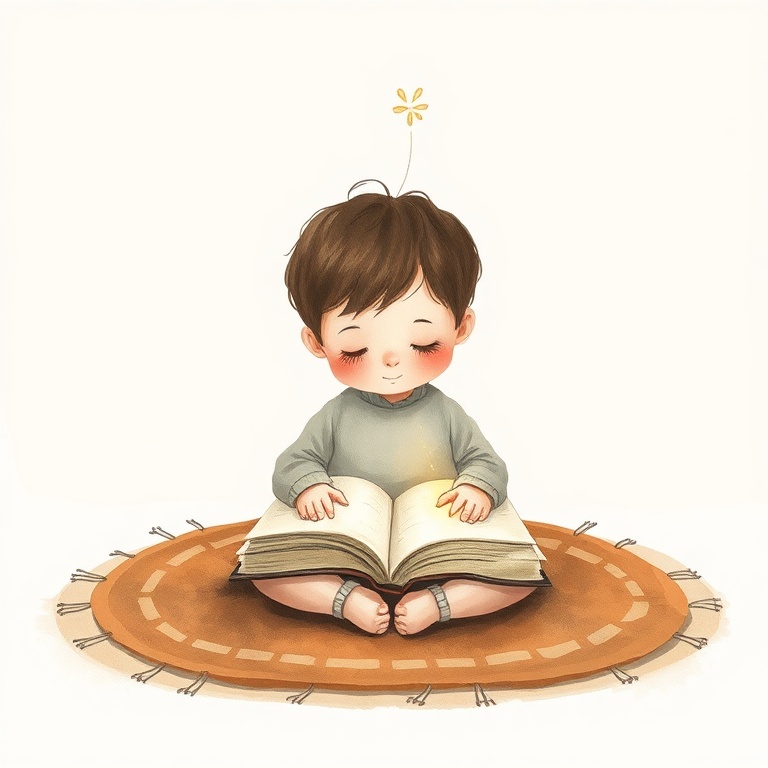
Foundation
Just write. Find the joy.
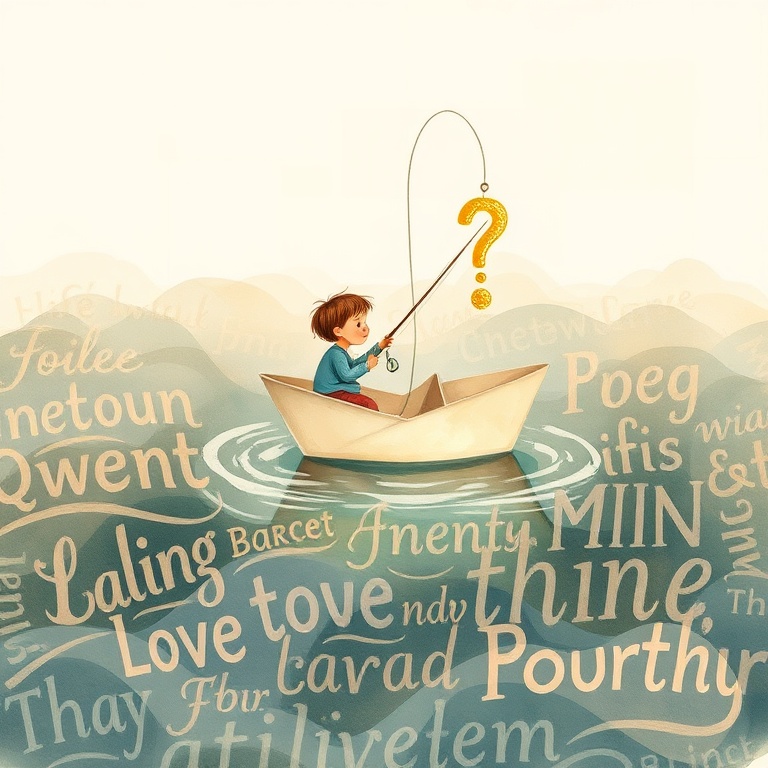
Storyteller
Openings that pull a reader in.
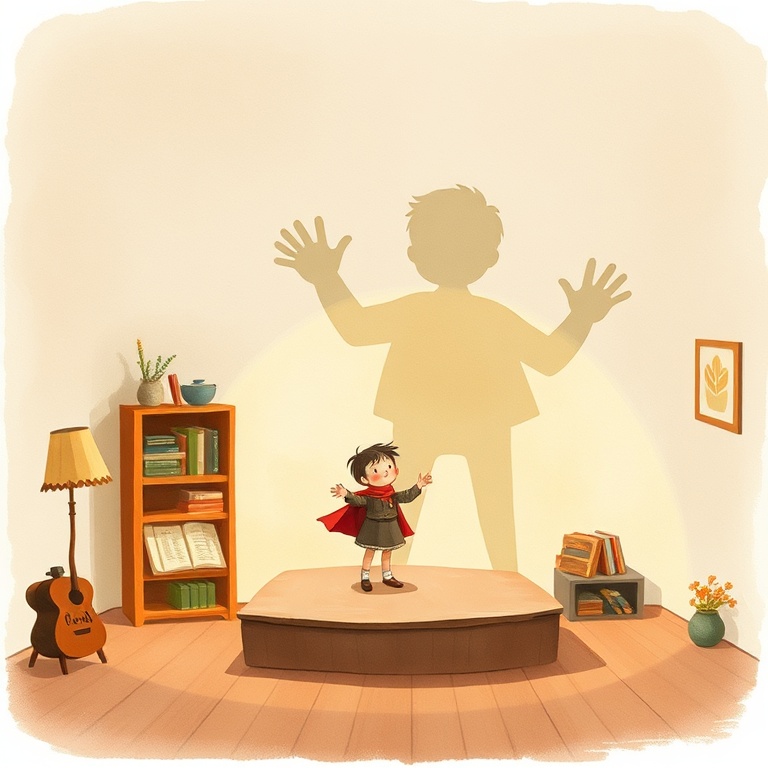
Storyteller
Act it out on the page.
Progress you can see
Wordling gives you three honest signals that your kid is growing as a writer — no nagging, no scores, nothing that turns writing back into homework.
Open it anytime to read every story your kid has written and see how often they’re showing up — a clear window into their writing, with no grades and no alerts.
Every session ends with an illustrated story card. They stack into a collection your kid can scroll back through — visible proof of how much they’ve made.
The skill tree fills in as they go — hooks, character, dialogue, endings. You can see exactly which writing tools they’ve added, one at a time.
What parents tell us
He used to fight me for twenty minutes before writing a single sentence. Now he asks if he can do “one more story.” I genuinely did not think that was possible.
Megan R.
Parent of a 9-year-old
What sold me is that it never corrects her — it just gets curious about her ideas. Her sentences have gotten longer and braver without anyone marking them in red.
David L.
Parent of an 11-year-old
I can open my dashboard and actually read what she wrote that week. The story cards have become a little collection she’s proud to show her grandparents.
Priya S.
Parent of a 10-year-old
No credit card requiredFree during early accessOne account, all your kids
No AI co-writing.
The coach reacts and asks. Your kid does the writing — every word of it.
You stay in control.
Open your parent dashboard anytime to see what your kid has written and how they're using Wordling. We never email or message your kid — you decide what to do with what you see.
No streaks. No XP. No leaderboards.
No gamification pressure. The reward is the story they finish — not a badge they collected.
What's coming next
We're starting with narrative because it's where most kids first fall back in love with writing. Persuasive, recount, and non-fiction formats are on the way — each tuned to the same coach-not-editor approach. Rubric-aware feedback for parents and teachers is coming too, so progress is legible without turning the session into a graded assignment.
NarrativeAvailable now
The story-driven mode we start with today.
Persuasive
Make a case. Defend a position. Win the argument.
Recount
Tell what happened — in a way someone wants to read.
Non-fiction
Explain how something works. Teach someone something real.
Whatever we add, the priority stays the same: make your kid a writer who actually wants to write. Formats and rubrics serve that — never the other way around.
Set up your parent account in under a minute. Hand it over. Watch them finish a story.
No credit card requiredFree during early accessOne account, all your kids