The Hook
Openings that pull a reader in.
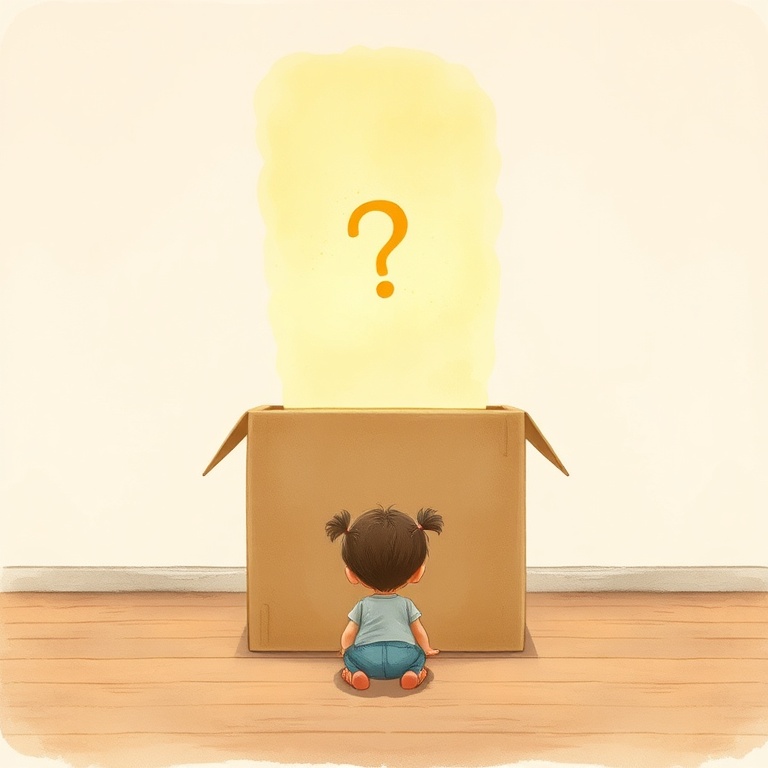
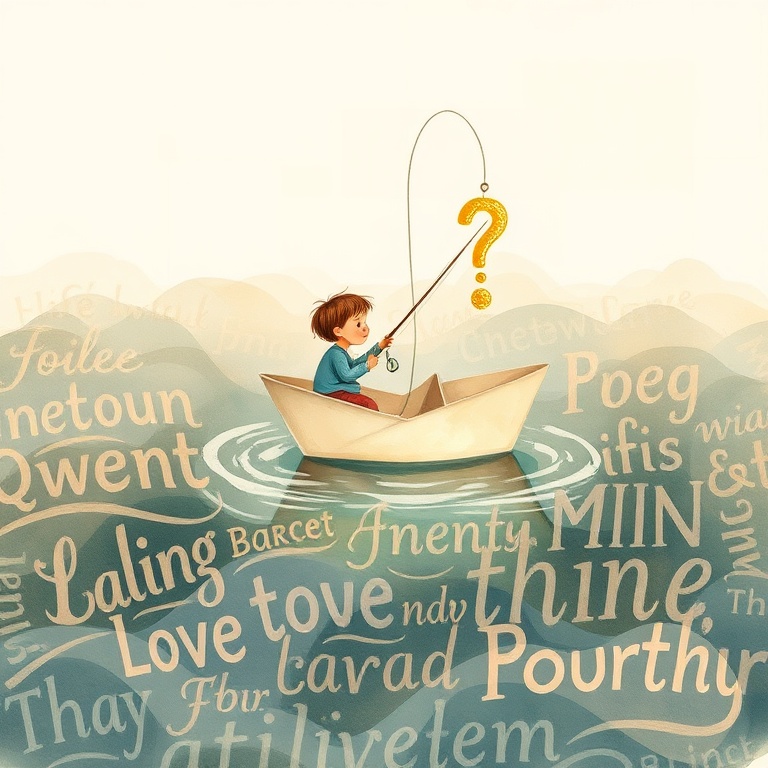
Learn how the first line can make a reader lean in. Start in motion, start with a question, start with something strange — never with "one day."
Lesson readyThe Wordling skill tree
Twelve writing skills, three branches, one root. Each one is a short lesson plus a focused exercise — never homework, always a new thing to try.
Branch
How the story sounds
Openings that pull a reader in.
Learn how the first line can make a reader lean in. Start in motion, start with a question, start with something strange — never with "one day."
Lesson readyAct it out on the page.
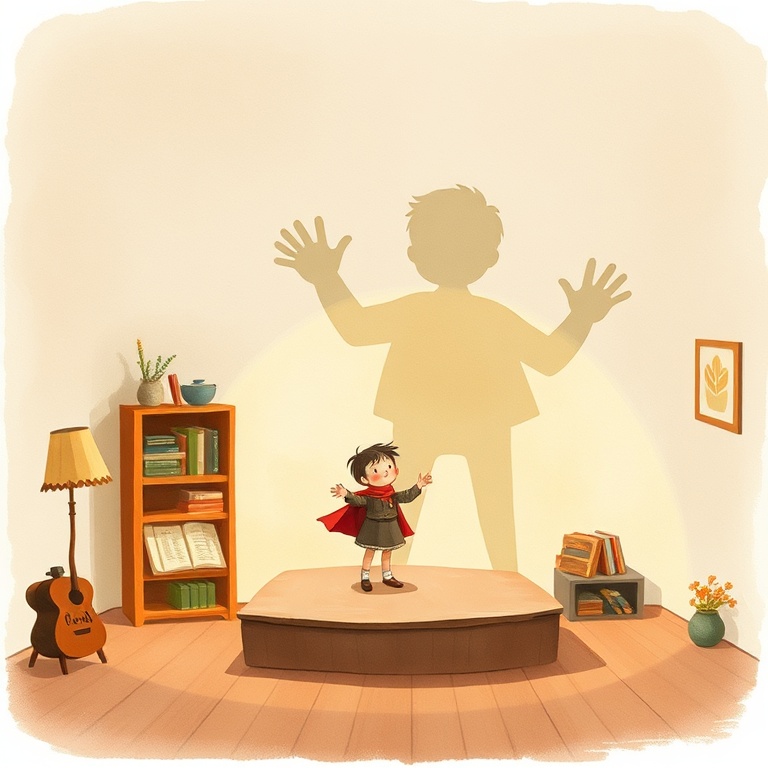
Instead of "she was scared," show her hands shaking. Instead of "he was kind," show him sharing his last cookie. Trust the reader to feel it.
Lesson readyDialogue that sounds like a real person.
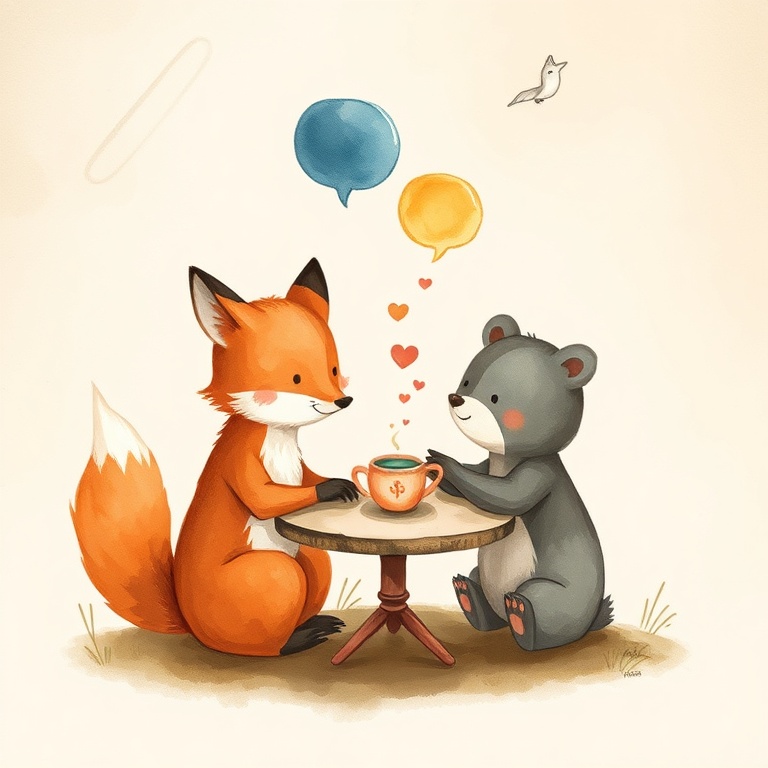
Every character has their own way of talking — fast, slow, careful, loud. Learn to write what they say and how they say it.
Coming soonBranch
Where the story lives
Setting as a place you can feel.
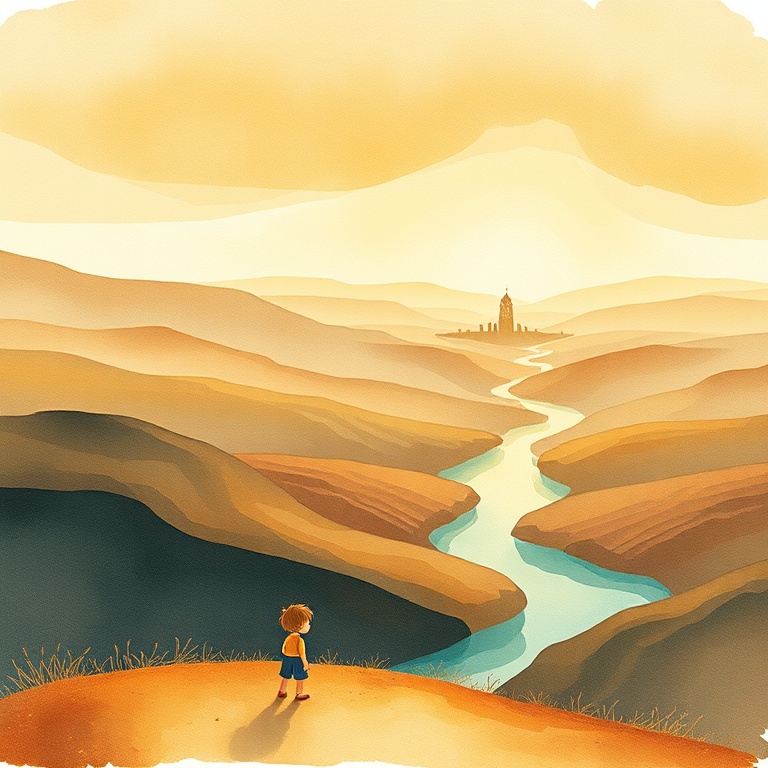
Where does your story live? Build a place a reader can step into — not by describing everything, but by picking the right few details.
Lesson readySmell, sound, texture — not just sight.
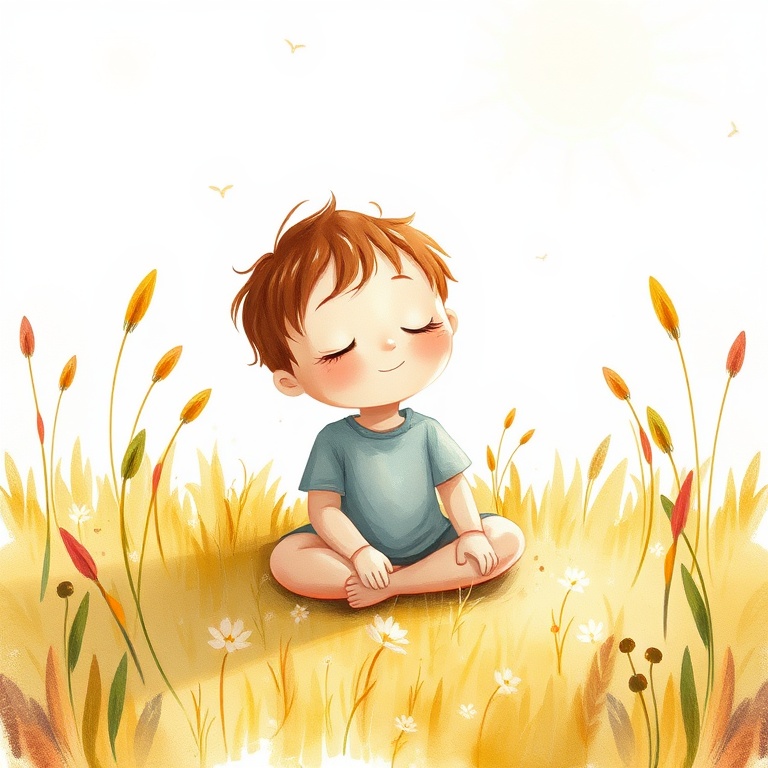
Most kids only describe what things look like. Use the other four senses and your world stops being a picture and starts being a place.
Lesson readySetting that carries the feeling.
A creaky house feels different from a sun-warm kitchen even before anything happens. Make your settings do the emotional heavy lifting.
Coming soonBranch
What happens and why
The spark a story grows from.
Every story starts as a "what if" — never as a topic. A topic just sits there. A what-if takes one ordinary thing, changes one rule, and lets the trouble in.
Lesson readyA character with a real want.
A character is not a description — a character is a want. Once your hero wants something badly, the story starts to write itself.
Lesson readyWhat's in the way, and why it matters.
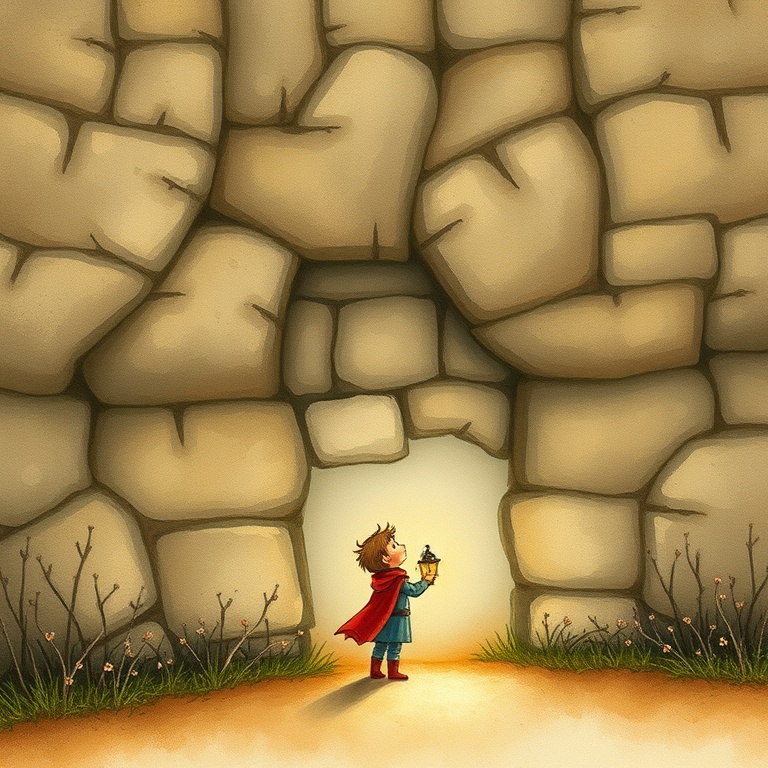
Every want needs a wall in front of it. Without trouble there is no story. Make the obstacle feel real and the stakes feel personal.
Coming soonBeginning, middle, and the messy bit between.
A real story has a shape: things set up, things get worse, things resolve. The middle is where most kids skip — that is where we work.
Coming soonEndings that answer the opening.
A good ending pays off the promise the start made. Happy, sad, or surprising — but never "and then I woke up." Stick the landing.
Coming soonYour weird, specific way of telling a story.
Not a tool you pick up — something that emerges when you have all the others. Your style. The reason a reader knows it is you.
Coming soon